Plastic surgery · Face
Rhinoplasty in Medellín
Balance between your nose and the rest of your face, with your breathing in mind too.
- Duration
- 2 to 3 hours
- Time off work
- 10 to 15 days
- Consultation with
- Dr. Fernando Ruiz
We reply on WhatsApp within minutes, during business hours.
The procedure
Surgery that changes the shape, size or proportions of the nose. If you have breathing problems, it can be done together with a septoplasty (rhinoseptoplasty).
The goal is a natural-looking nose that still looks like yours and is in balance with the rest of your face.
Is it for you
What you're looking for
- A bump or a prominent bridge
- A tip that's wide, droopy or not well defined
- Trouble breathing because of the septum
Your surgeon makes the final call at your consultation.
Recovery
Step by step
Nasal splint and swelling around the eyes.
The splint comes off; you go back to light activity.
Most of the swelling goes down.
The tip of the nose becomes fully defined.
These are guideline times. Your surgeon gives you the exact ones.
Before you decide
All about rhinoplasty
Rhinoplasty, septoplasty and rhinoseptoplasty
Rhinoplasty, nose surgery and nose job are different names for the same thing: changing the shape, size or proportions of the nose. According to the American Society of Plastic Surgeons (ASPS), it can also correct breathing problems that come from the structure of the nose, such as a deviated septum. When only the septum is straightened, the surgery is called a septoplasty; when it's done together with a rhinoplasty, it's called a rhinoseptoplasty or septorhinoplasty. Your surgeon decides whether you need both at your in-person consultation.
Open or closed?
The ASPS describes two ways to do the surgery. In a closed rhinoplasty, the incisions are hidden inside the nose. In an open rhinoplasty, an incision is made across the columella, the strip of skin that separates the nostrils. To make the nose smaller, bone or cartilage can be removed, and to shape it, cartilage grafts can be added. That cartilage most often comes from the septum, sometimes from the ear and rarely from a rib. Your surgeon decides what you need when they examine your nose.
When another option makes more sense
A rhinoplasty isn't always the answer.
- If you want a small change without surgery, there's nonsurgical rhinoplasty with hyaluronic acid filler. According to the ASPS, filler only adds volume: it doesn't make the nose smaller or improve breathing. The effect is temporary, and that consultation is with our aesthetic physician.
- A small chin can make the nose look bigger. In that case, we also look at chin surgery, on its own or together with a rhinoplasty.
If you're not sure which applies to you, we'll go over it with you at your consultation.
Who it's not for, or not yet
According to the ASPS, you may be a good candidate if your face has finished growing, you're in good health, you don't smoke and your goals are realistic. Put the other way around, now isn't the time if:
- Your face is still growing. Your surgeon assesses this.
- You're not in good health right now. If your test results aren't in order, surgery is postponed.
- You smoke and don't plan to quit before surgery.
- You expect your nose to look exactly like the one in a photo. The ASPS points out that every face has some asymmetry, so the result may not be completely symmetrical.
Risks you should know about
No surgery is free of risk, and rhinoplasty is no exception. The ASPS lists these, among others:
- Anesthesia risks.
- Infection.
- Difficulty breathing.
- Changes in skin sensation, such as numbness or pain.
- Skin discoloration and swelling.
- Poor wound healing or scarring.
- Septal perforation, meaning a hole in the septum. It's rare, may require another surgery and sometimes can't be corrected.
- A nose that doesn't turn out the way you expected, or the need for revision surgery.
Before you decide, we go over them with you and you sign an informed consent form.
How to prepare and how to care for yourself afterward
Before surgery, you get your pre-op tests done and stop smoking. Go over the medications you take with your specialist: according to the ASPS, aspirin, anti-inflammatory drugs and herbal supplements can increase bleeding. We tell you what to stop taking, how long to fast and what to bring. You'll need an adult to take you home and stay with you the first night.
Afterward, you wear a nasal splint and, depending on your case, nasal packing. The ASPS explains that swelling can come and go during the first year and tends to be worse in the morning. Avoid bumping your nose while it heals, protect yourself from the sun and keep every follow-up visit until you're discharged.
Coming from abroad
Plan your trip.
If you are flying in, plan to stay in Medellín for about 1 to 2 weeks for this surgery, and fly home only when your surgeon clears you. Travel with an adult companion for the first days.
How a trip to Medellín for surgery works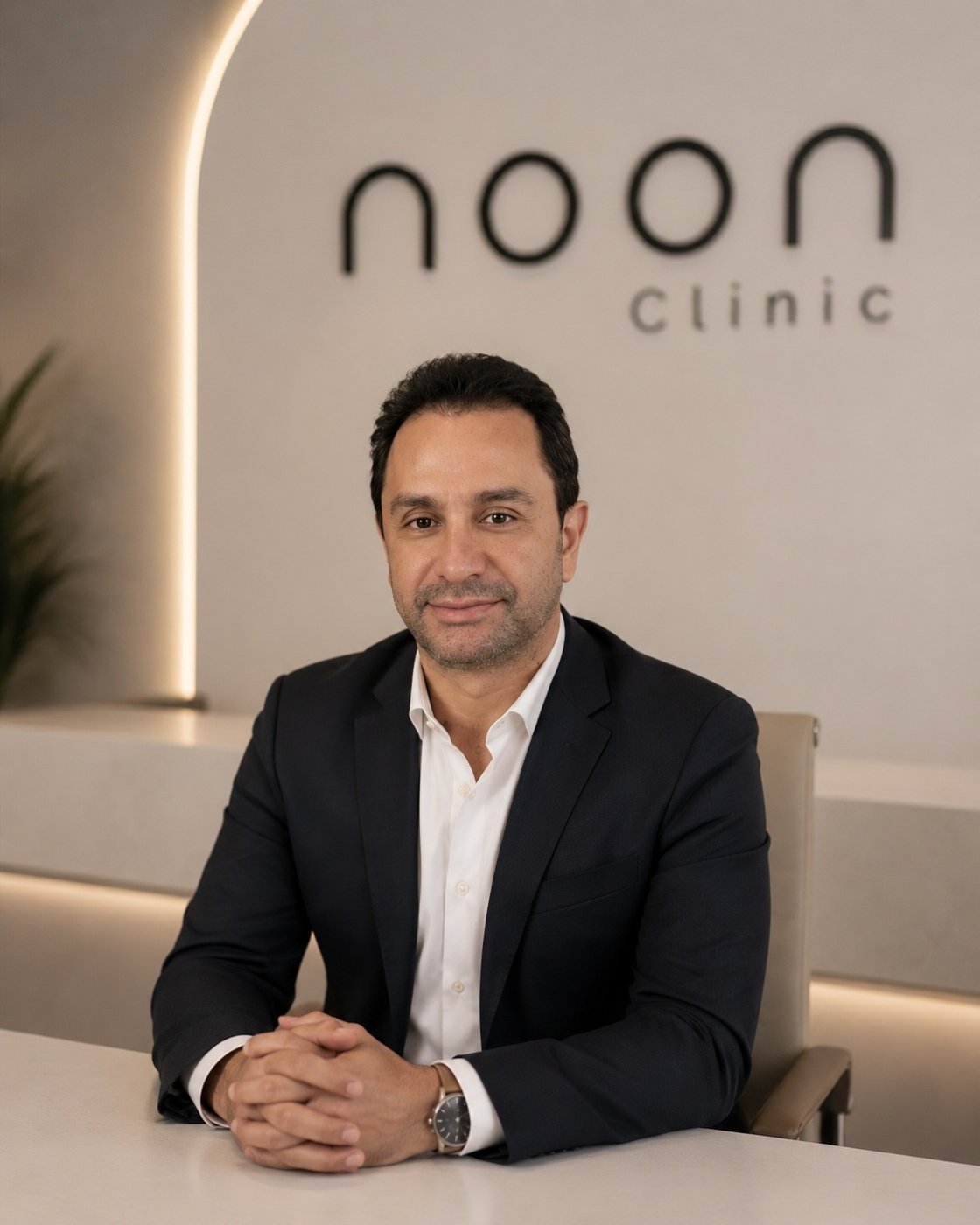
Your specialist
Dr. Fernando Ruiz
Plastic surgeon
Your consultation is in person in Medellín, with Dr. Fernando Ruiz, plastic surgeon.
About noon ClinicFAQ
Common questions
When will I see the final result?
Your nose changes a lot in the first few months, but the tip becomes fully defined at around one year.
Will my nose be packed after surgery?
It depends on the technique and your case. Your surgeon will explain it at your consultation.
What's the difference between open and closed rhinoplasty?
In a closed rhinoplasty, the incisions stay inside the nose. In an open rhinoplasty, an incision is made across the columella, the strip of skin between the nostrils. Your surgeon decides which one fits your case after examining you.
How old do you have to be to get a rhinoplasty?
The ASPS doesn't name a specific age. Instead, it says your face must have finished growing, and your surgeon assesses that at your consultation. If you're under 18, mention it when you book: in Colombia, Law 1799 of 2016 regulates cosmetic procedures for people under 18.
Can a rhinoplasty help me breathe better?
It can when the problem comes from the structure of the nose, such as a deviated septum, according to the ASPS. In that case, rhinoplasty can be done together with a septoplasty (a rhinoseptoplasty). Your surgeon decides at your consultation whether you need it.
How much time off work do I need after a rhinoplasty?
Time off work is about 10 to 15 days. During the first week you wear a splint and have swelling around your eyes; in the second week the splint comes off and you go back to light activity. Your surgeon will give you the exact number of days.
Guides
Before you travel.
 Rhinoplasty in Medellin, Colombia, for US PatientsIt's the one surgery on this list you can't cover with clothing. That changes how you should plan the weeks after it, not just the trip itself.Read
 How to choose a surgeon in Medellin, not just a clinicA clinic's name on Instagram tells you nothing about who's actually holding the scalpel.Read
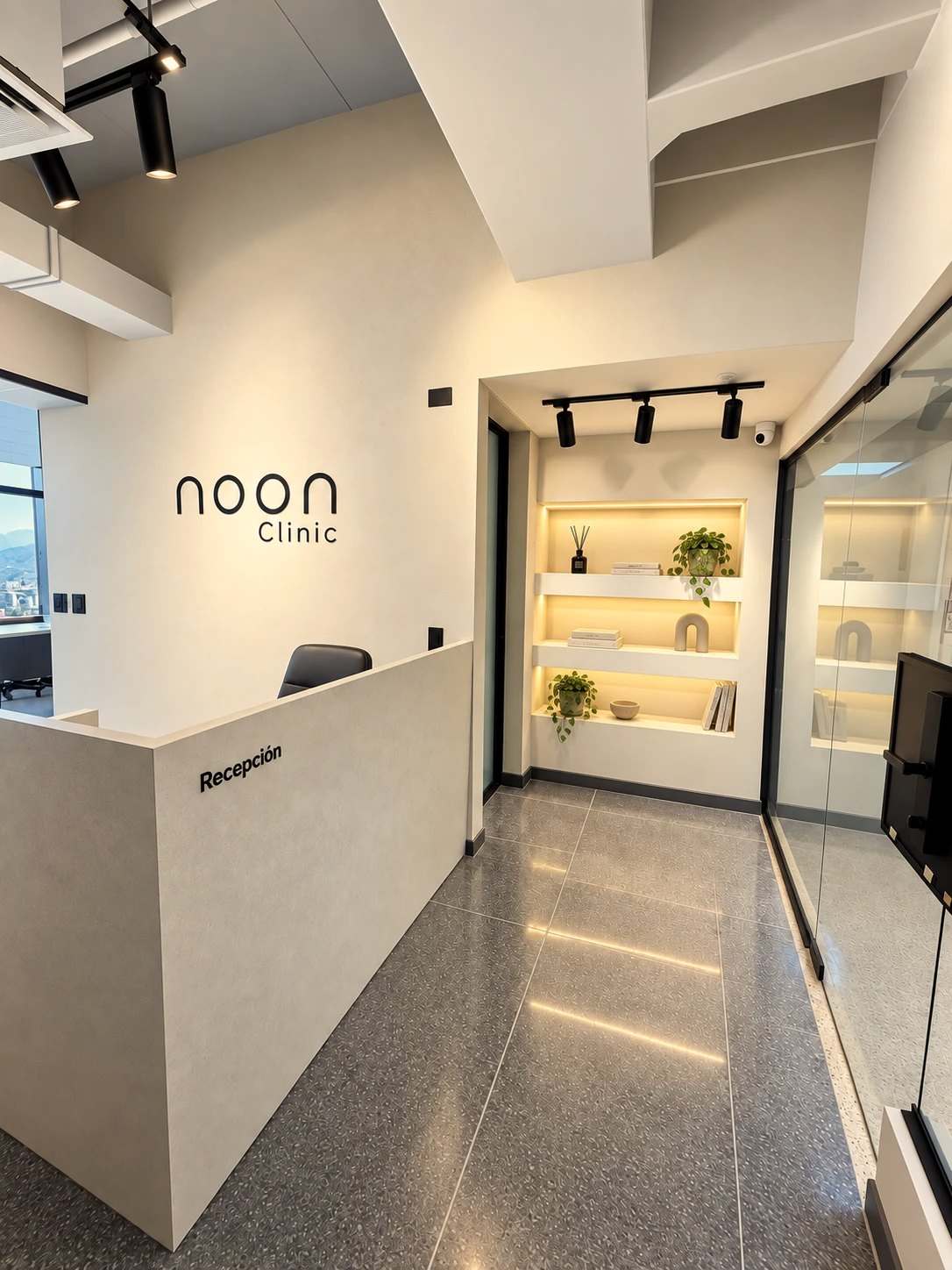 Is it safe to get plastic surgery in Colombia?Short answer: it can be, and what decides that is the clinic, not the country.Read
Also in face
Other procedures
- Eyelid SurgeryA more rested look: it treats excess skin and bags on the eyelids.1 to 2 hours · Time off work 7 to 10 days
- Facelift and neck liftDeep rejuvenation that repositions the tissues of the face and neck.3 to 5 hours · Time off work 2 to 3 weeks
- Buccal fat removalMore defined cheeks by removing part of the buccal fat pads.30 to 60 minutes · Time off work 3 to 5 days
- Chin SurgeryA chin in proportion with your nose and your profile.1 to 2 hours · Time off work 7 to 10 days
- Rhinoplasty and Chin SurgeryYour nose and chin in the same surgery, planned with your whole profile in mind.Set by your surgeon · Time off work 10 to 15 days or more
- Ear surgery (otoplasty)Corrects prominent ears, with the scar hidden behind the ear.1 to 2 hours · Time off work 7 days
- Chin liposuctionDefines your neck and jawline by removing fat from under the chin.1 hour · Time off work 5 to 7 days
noon Clinic
Rhinoplasty
Everything starts with an in-person consultation in Medellín: we look at how you breathe and how your nose fits with the rest of your face, tell you whether rhinoplasty is right for you, and give you your plan in writing.
We reply on WhatsApp within minutes during business hours. We answer your questions and book your in-person consultation; we never diagnose over WhatsApp. Why noon